What is Industrial Cleaning?
Walk into any factory, warehouse, or manufacturing plant, and you’ll notice something straight away. These places get dirty in ways that offices and homes simply don’t. Grease coats machinery. Dust settles on high beams. Chemical residues build up on production lines. Standard cleaning methods often can’t handle this kind of mess.
Specialist industrial cleaning tackles these demanding environments. It uses heavy-duty equipment, powerful cleaning agents, and trained professionals. Factories, distribution centres, power plants, and similar facilities all need this level of care. The work goes far beyond mopping floors or emptying bins. It removes contamination that could damage equipment, injure workers, or ruin products.
How Industrial Cleaning Differs from Commercial Cleaning
People often confuse industrial and commercial cleaning, but they serve different purposes. Commercial cleaning typically covers offices, shops, schools, and restaurants. A commercial cleaning company might vacuum carpets, wipe desks, clean toilets, and empty bins. The work is generally low-risk and the equipment straightforward.
Industrial cleaning involves far more specialised tasks. An industrial cleaner might degrease a production line, pressure-wash a loading bay, or remove hazardous materials. Conveyor belts, silos, tanks, and heavy machinery all need cleaning in specific ways. Using the wrong method risks damage or safety hazards.
Training requirements also differ. Industrial cleaning professionals must understand risk assessments and safe working at height. They need to handle hazardous substances properly. Many sites require specific certifications before cleaners can even enter.
What Types of Industrial Cleaning Exist?
Industrial settings vary enormously, and so do cleaning needs. A food processing plant needs different treatment than a metalworking factory. Each industry has its own contamination risks and hygiene rules.
Routine cleaning keeps facilities running day to day. This includes floor cleaning, surface sanitisation, and general tidying. Many sites schedule this work during shift changes or at the end of each day. It stops grime building up and keeps walkways safe.
Deep cleaning goes further, reaching places that routine work misses. Think inside machinery, behind equipment, and at high levels. Manufacturing facilities often schedule deep cleans during shutdowns when production stops.
Specialist services handle the most challenging tasks: hazardous material cleanup, asbestos removal, duct cleaning, and post-construction cleans. These jobs need specific equipment and trained staff who understand the risks.
Cleaning Tasks You’ll Find in Factories and Warehouses
Factory cleaning covers a broad range of work. Degreasing machinery is one of the most common jobs. Grease and oil build up on moving parts, causing them to overheat, jam, or wear out faster. Regular cleaning stops these problems before they shut down production.
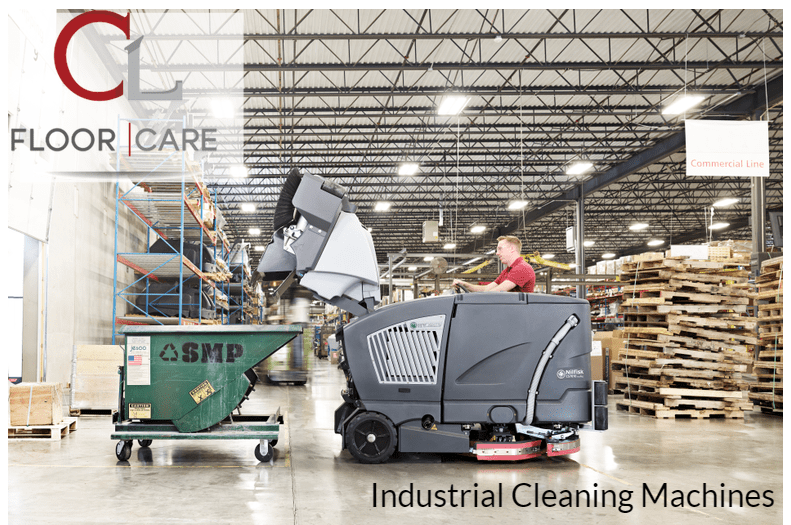
Warehouse cleaning focuses heavily on floors. Forklift traffic, pallet movements, and foot traffic leave marks, dust, and debris everywhere. Broken pallets, shrink-wrap, and spilled product create trip hazards for pedestrians and collision risks for forklifts. Scrubber dryers can clean thousands of square metres in a single shift.
Production areas need careful attention too. Residues from manufacturing can contaminate products or create slip hazards. In food production, cleaning must prevent bacterial growth and cross-contamination to meet food safety rules. In chemical plants, residues might corrode surfaces or react dangerously. These tasks help businesses meet health and safety laws.
High-level cleaning tackles dust, cobwebs, and debris on beams, lighting, and ventilation. This work often requires cherry pickers or scaffolding, along with staff trained to work at height.
The Cleaning Process and Methods Used for Industrial Work
Industrial cleaning follows careful planning. Cleaners assess the site first, identifying risks like moving machinery, electrical systems, confined spaces, and hazardous substances. This shapes how the work proceeds.
High-pressure water cleaning removes stubborn dirt and coatings. Pressure washers can strip paint and clear years of grime in minutes. However, this power needs careful control to avoid damaging surfaces or forcing water into electrics. Steam cleaning helps kill bacteria without leaving chemical residues.
Immersion cleaning suits smaller components. Parts are submerged in solutions that dissolve grease and contaminants. Foam cleaning applies a thick layer of cleaning agents to vertical surfaces. The foam clings while the solution works, then rinses away.
Industrial vacuums handle dust, debris, and liquids that standard machines can’t manage. They collect fine particles, metal shavings, or spills without clogging. In environments with combustible dusts, ATEX-rated explosion-proof units are required. Scrubber dryers combine scrubbing and drying in one pass, leaving floors safe to walk on straight away.
Cleaning Agents and Products in Industrial Settings
Industrial cleaning agents differ greatly from household products. They must match specific contaminants. Using the wrong product can damage surfaces or cause dangerous reactions. Mixing incompatible chemicals is a particular risk — for example, acids with bleach or oxidisers with organic solvents.
Degreasers break down oils and grease on machinery. These range from mild formulas for light soiling to heavy-duty solutions for baked-on residues. Many facilities now choose biodegradable options that break down safely in drains.
Descalers remove mineral deposits from pipes, tanks, and equipment. Scale restricts water flow and forces pumps to work harder, shortening their lifespan. Disinfectants kill bacteria and other microorganisms, which matters most in food processing where contamination could spoil entire batches.
Cleaning products must suit the industry. Food-safe cleaners leave no harmful residues. Pharmaceutical facilities need cleaners that won’t affect sensitive compounds. The right choice depends on what needs removing and what the surface can tolerate. Products are often selected by pH and whether they are water-based or solvent-based.
Equipment Required for a Thorough Clean
Industrial cleaning needs equipment that goes far beyond mops and buckets. The scale of work demands machinery built for tough conditions and large spaces.
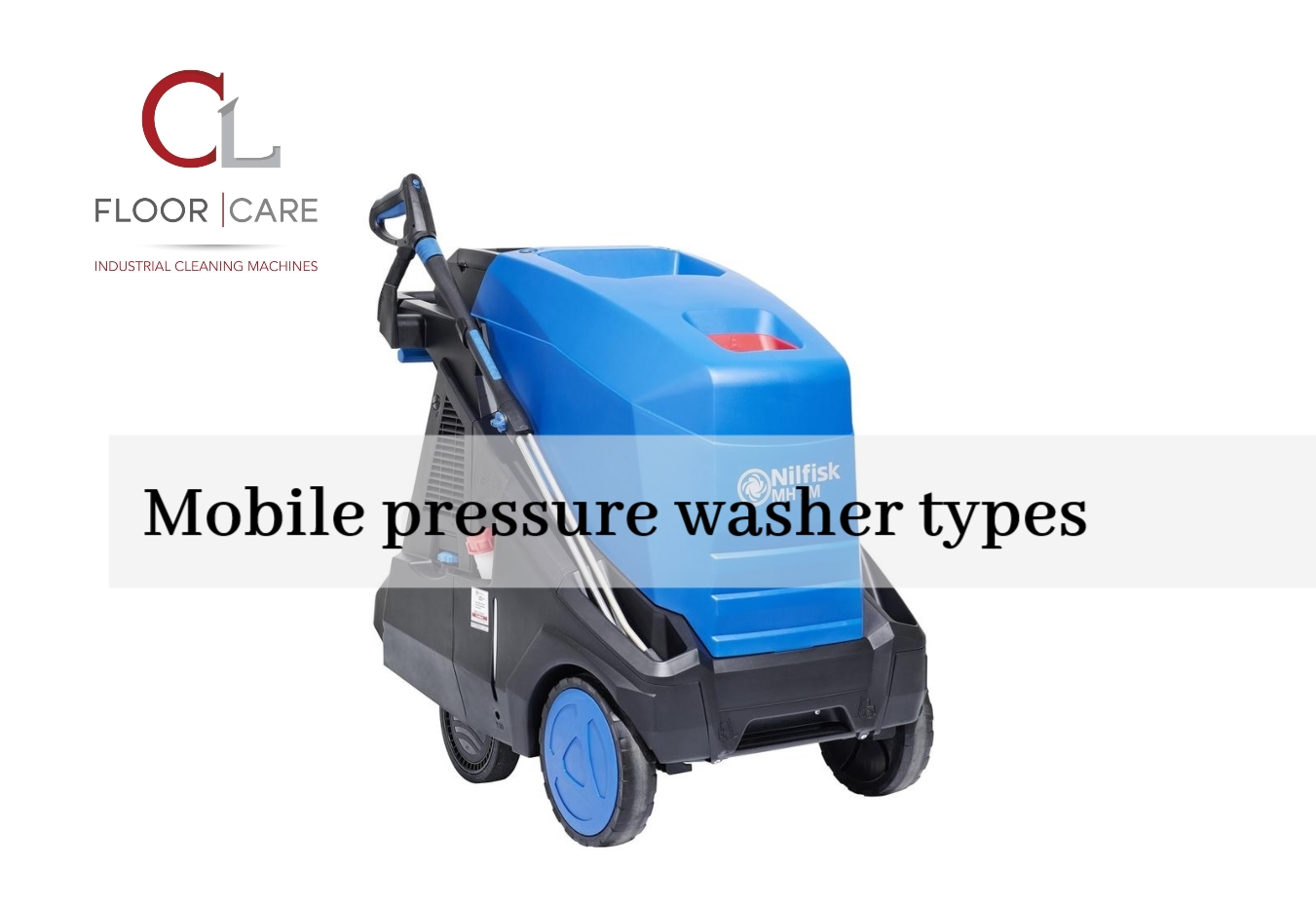
Pressure washers blast away dirt, grime, and coatings with high-pressure water. Professional units are far more powerful than domestic versions. Some heat the water too, which cuts through grease faster.
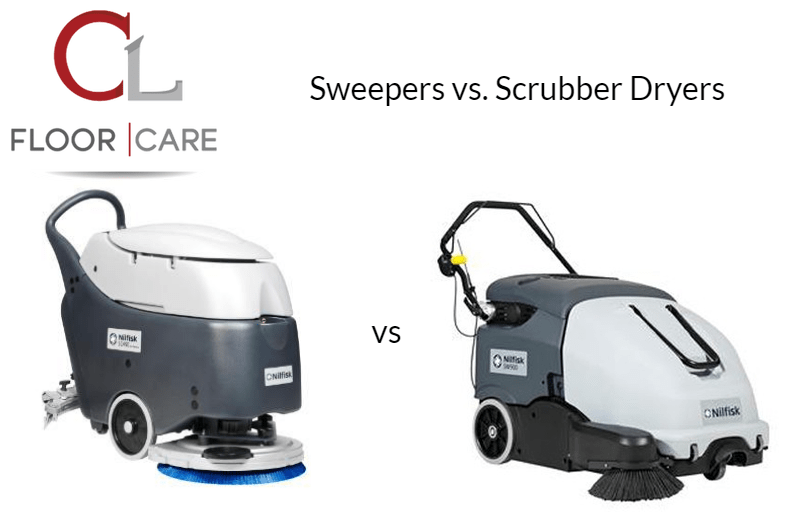
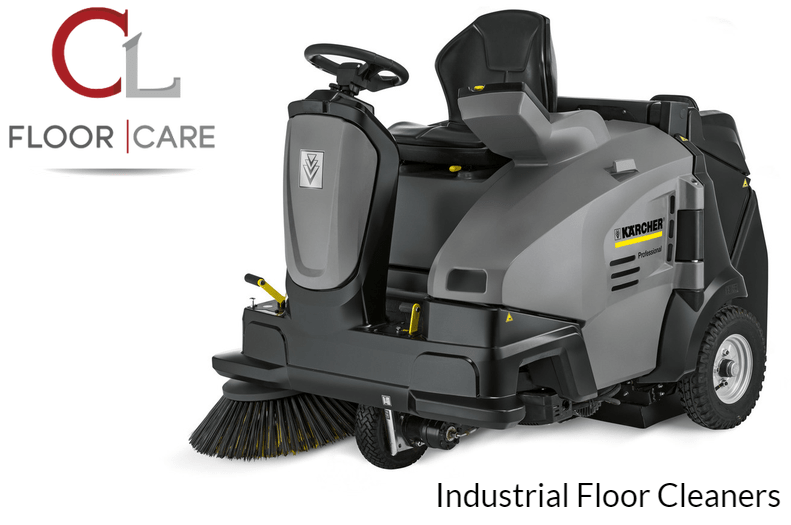
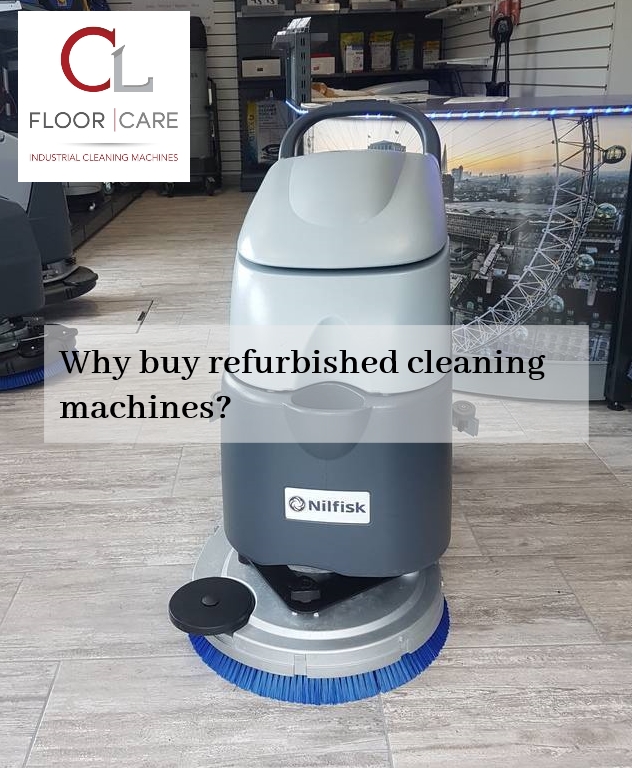
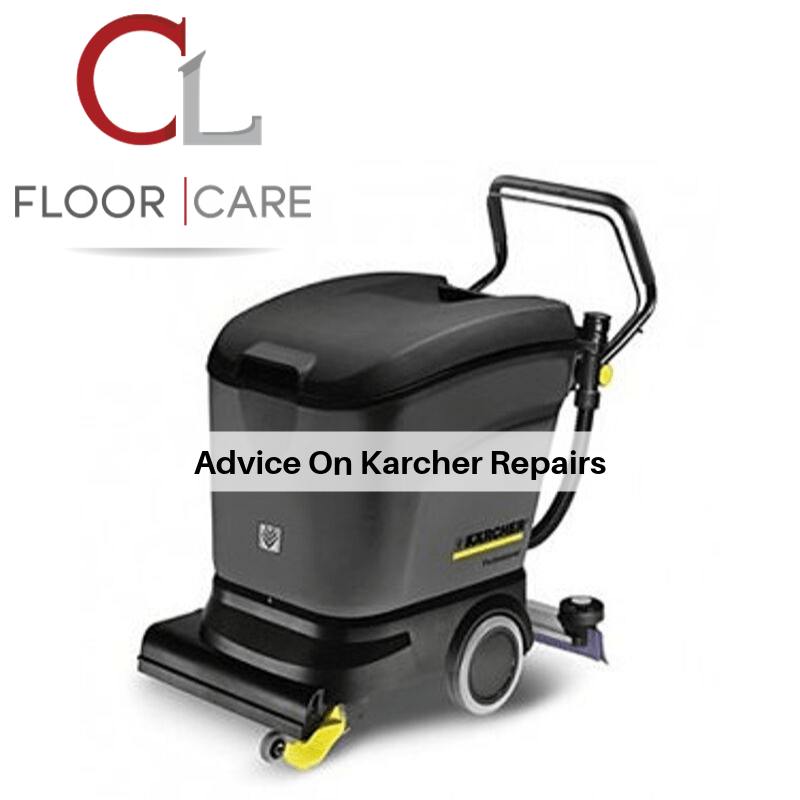
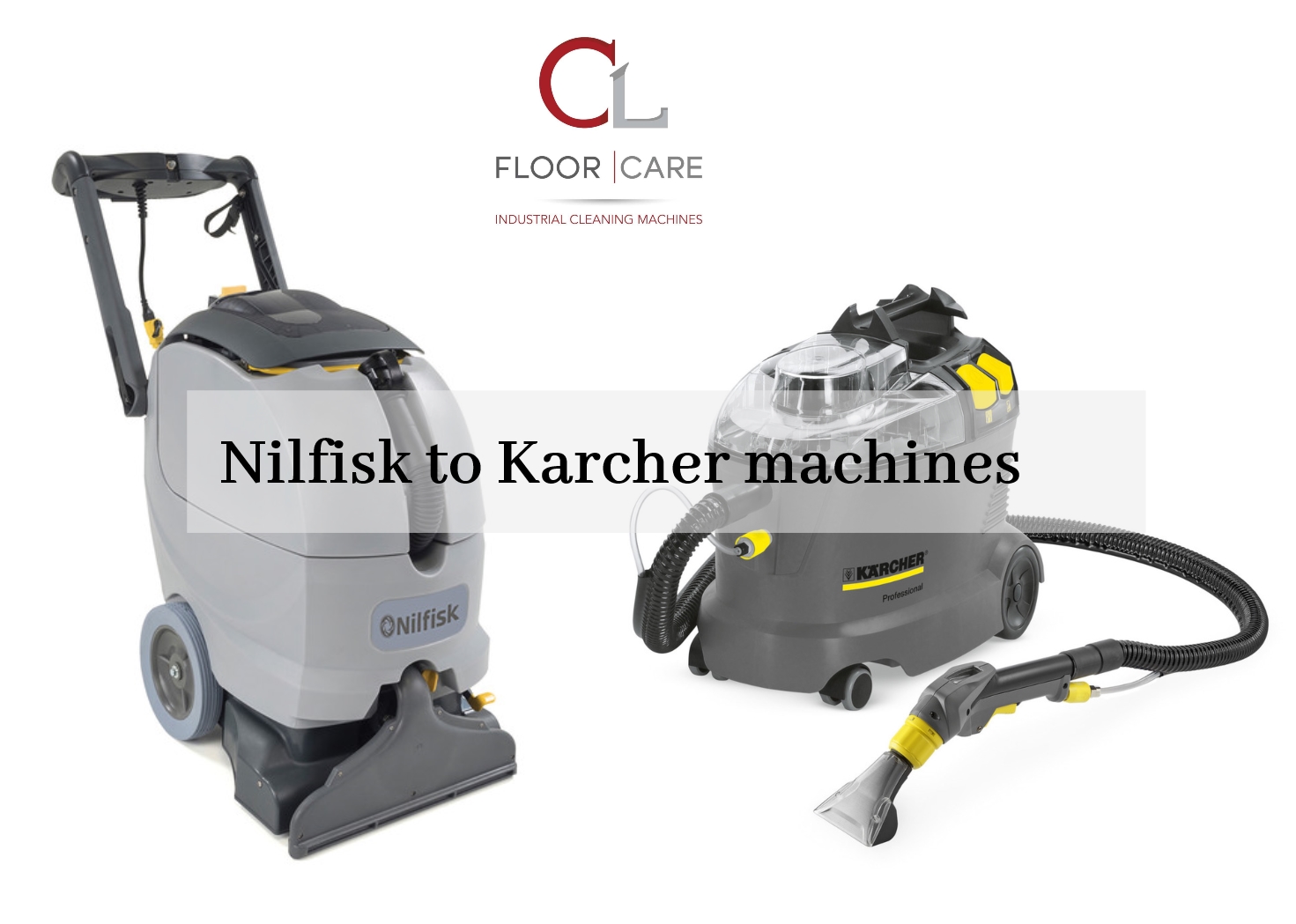
Scrubber dryers are workhorses for floor cleaning. They scrub, collect dirty water, and dry the surface in one pass. Walk-behind models suit smaller areas, while ride-on machines cover large floors quickly.
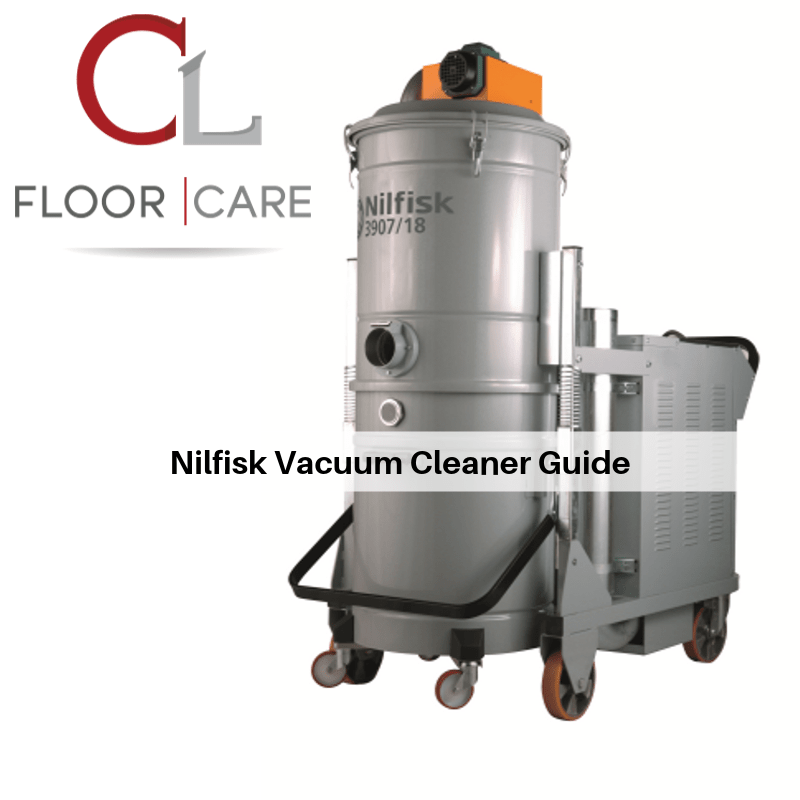
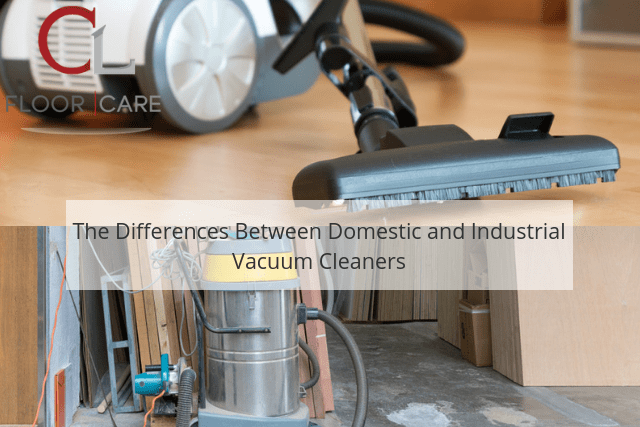
Industrial vacuums handle materials that would clog ordinary machines. Heavy-duty models collect fine dust, metal particles, and liquids safely without releasing particles into the air. Some connect to extraction systems for continuous operation.
Other specialist equipment includes cherry pickers for high areas, confined space ventilation for tanks and silos, and custom rigs for specific machinery. What’s needed depends entirely on the site.
Why Cleaning Matters in Factories and Warehouses
Dirty machinery breaks down more often. Grease and debris cause moving parts to overheat and seize. Bearings wear through faster than they should. Regular cleaning means fewer emergency repairs and equipment that lasts longer.
Dirty floors cause slips and falls. Dust in the air triggers breathing problems. Blocked drains flood work areas. Poor cleaning creates real hazards that injure people and halt production.
Contamination ruins products. In food manufacturing, bacteria from unclean surfaces can spoil entire runs. In pharmaceutical plants, trace residues make medicines unsafe. Scrapping contaminated stock costs far more than proper cleaning.
Inspectors notice dirty facilities. Health and safety officers and customer quality teams walk through production areas. Visible grime raises questions about what else might be wrong. Clean facilities pass inspections faster.
Who Provides Industrial Cleaning Services?
Industrial cleaning comes from specialist companies with the equipment, training, and experience for demanding work. General janitorial services rarely have these capabilities.
A professional service will visit your site, understand your problems, and create a schedule that fits your operations. Some facilities need daily cleaning. Others need periodic deep cleans or on-call services for emergencies.
Choosing a company means checking their experience in your industry. Have they cleaned similar machinery? Do staff hold the certifications your site requires? Can they show a strong safety record?
Contract arrangements work well for many businesses. A regular schedule keeps facilities in good shape. The contractor handles hiring, training, and equipment. Your staff can focus on production. You gain access to methods and tools the cleaning company has already invested in and mastered.
Need Cleaning Equipment?
If you’re looking for industrial cleaning machines, whether to buy, hire, or get serviced, our team at CL Floorcare can help. We’re based in Stoke-on-Trent with nationwide coverage, and we’ve been supplying and maintaining scrubber dryers, sweepers, and other cleaning equipment since 2007. Get in touch on 01782 749451 or email sales@clfloorcare.co.uk.