COVID-19 – Tips for home working
At the moment it is very hard to escape any news about the coronavirus (COVID-19).
So Lets take a look at some tips and techniques for maximizing your productivity whilst working from home.
Working from home can be brilliant – Your own surroundings, pop the kettle on whenever you want, got your own private bathroom. However, if you’re not used to working remotely then being away from your normal set up at the office can feel disconcerting. I wanted to share with you some tips I go by since working from home.
Tip 1: – Your work space
Whether you’re in the office or at home, having a desk set up that works for you is key.
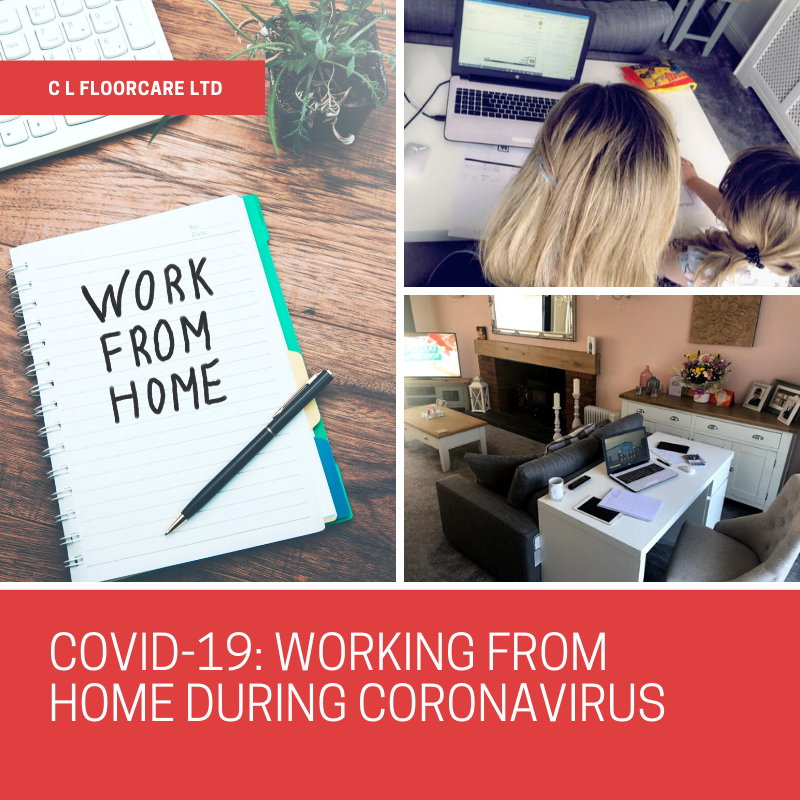
Try to create a small area at home that’s a dedicated space for work. This will not only help you stay in the right frame of mind but will also create separation between your work and home life. Save your sofa, for the end of the day when you need to switch off and you can relax in your cosy space.
“I have made a dedicated work spot in my home – I have popped a desk at the back of my living room with a lovely looking chair, printer and my laptop. Once I am done working remotely I just leave that space and get back to home life.”
Tip 2: Have your own routine
Now that you’re not in the office, you may have to change your routine slightly.
Are you used to background noise, you may want to create a playlist you can work to. Getting up like you would do for a normal working day may help your frame of mind.
If you’re struggling to focus, why not try going for a walk clear your mind. get back and try again. Get yourself into a working mindset by sticking to as much of your normal routine as possible.
“At the moment I have my 3 year old daughter home with me whilst I work but I still try stick to the waking up having my breakfast (Do the mornings register – my daughters routine at the moment aha) Do my work and after dinner we have a walk to clear our minds and refresh us for the afternoon which is my 3rd tip.”
Tip 3: Move Around
At this time, we don’t know how long this pandemic will last and chances are we will be home longer than we want. So put some movement in your day, in the office you may be up and down getting what you need where as at home its all in your work space. So go for a walk on your dinner, Move around a bit clean the kitchen for 10 get some movement in.
Tip 4: Give yourself a break
When working from home, plan breaks into your day and don’t take lunch at your desk. If you can, a midday change of scenery and stretch of the legs can do wonders for your afternoon happiness levels.
Also have a set time you finish everyday too, turn off the laptop and turn off any work-related notifications outside of those hours.
Tip 5: Be prepared for you and the kids
Lots of us are having to adjust to new routines right now like working parents, working from home whilst entertaining, feeding and teaching children takes juggling to a whole new level!
We will all be facing different challenges, with different ages of family member’s. One thing that can help is to prepare is having a set of activities laid out so that you have a source of inspiration when the dreaded “I’m bored” words pop up.
“I’ve been dividing my time between the office and entertaining /learning my daughter over the past few weeks. I’m defiantly enjoying having my daughter as my work buddy.. Ben and Holly and chocolate ice lollies seem to do the trick when I have ran out of ideas to entertain whilst working!” Joe Wicks P.E class at am seems to help a great deal too”

If you’re not used to working from home, don’t be to hard on your self. It might take a few days for you to find your working rhythm, but it will happen so remember to be kind, stay home and stay safe.


















 +44 (0)1782 749451
 sales@clfloorcare.co.uk